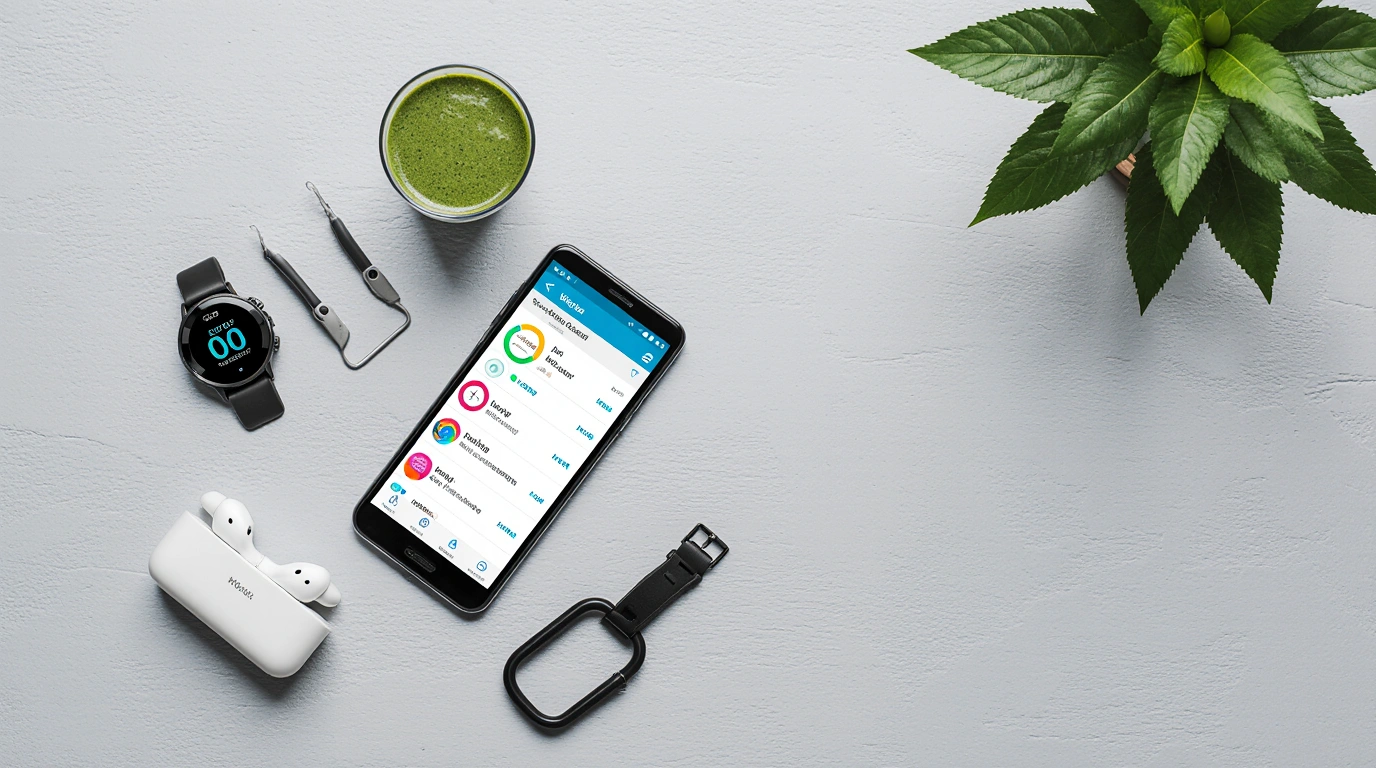
Wellness apps differ in purpose, evidence, and data handling. This guide describes five categories and examples rather than claiming that every product uses AI or ranking clinical effectiveness. No first-hand comparative testing was performed.
1. Symptom-assessment tools: Ada
Ada states that it cannot provide a medical diagnosis. Its symptom-assessment output can organize information for discussion; do not treat it as clearance to delay care. Review supported use, age eligibility, privacy, and regional availability.
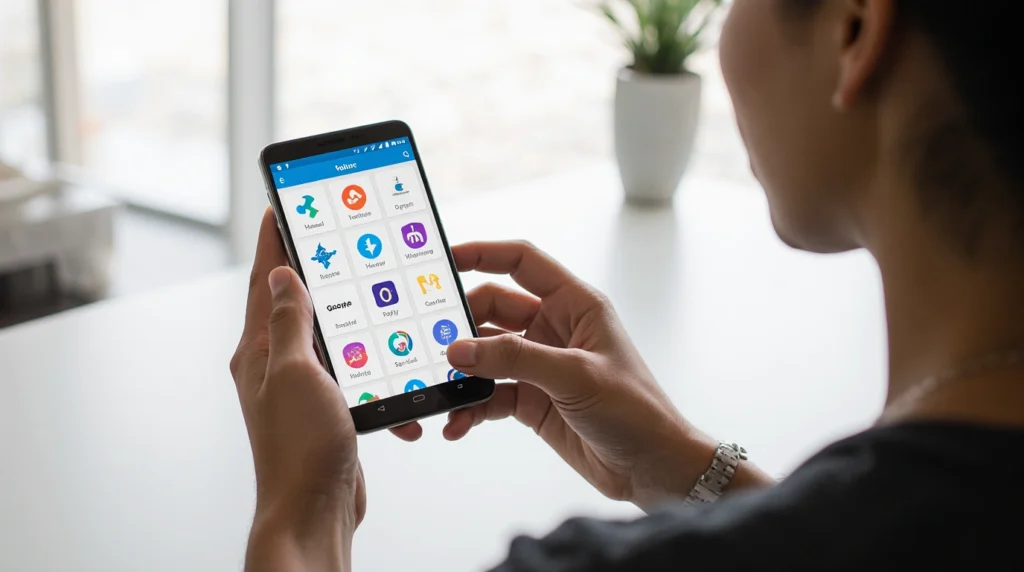
2. Food-logging tools: MyFitnessPal
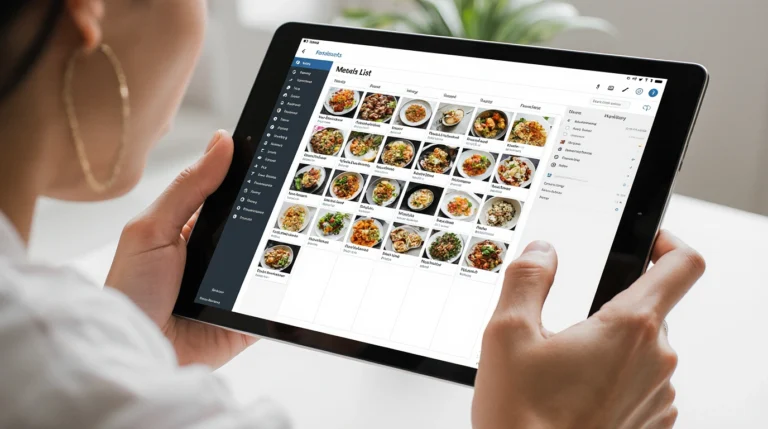
MyFitnessPal documents a Meal Scanner that suggests foods from an image. Check the items, portions, and recipe data yourself. A photo does not establish precise nutrient intake or suitability for a medical diet. Verify current feature access rather than assuming every account includes it.
3. Meditation and sleep-content apps
Guided audio or a meditation library is not automatically an AI intervention. Assess the content, subscription terms, and whether it suits your preference. This category should not be presented as a verified clinical ranking or as a replacement for care.
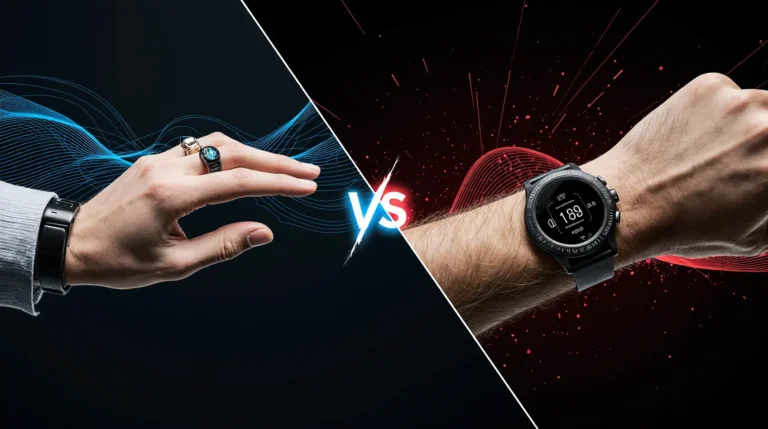
4. Wearable dashboards: WHOOP and Oura
These products combine hardware and app-based interpretations. Compare the exact model and service tier. Sleep and recovery estimates do not diagnose a disorder or establish safe training intensity. Our wearable comparison covers fit, membership, and documentation checks.
5. General-purpose assistants
A chatbot can organize a diary, shopping list, or questions, but it is not a dedicated medical service. Do not assume a therapist-like confidentiality relationship or provide unnecessary identifying information. Meal planning and sleep logging illustrate bounded organizational tasks.
Choose by purpose and evidence
- What does the tool actually claim to do?
- Is it a wellness product, a general assistant, or a medical device with a specific intended use?
- What evidence applies to the exact feature and user group?
- What information is collected, retained, shared, and deletable?
- What costs and eligibility conditions apply now?
Use the health-AI risk guide when evaluating these questions. For persistent symptoms or medical decisions, seek appropriate professional guidance rather than relying on an app ranking.
Sources and editorial approach
Ada limitations, MyFitnessPal scanner guidance, and WHO health-AI guidance. Reviewed November 4, 2026. Examples and prompts are proposed editorial templates, not first-hand tests or measured performance results.



2 Comments
Comments are closed.