
AI for wellness can help organize ordinary routines, logs, and questions. It does not turn a chatbot into a clinician, therapist, or dietitian. Start with one practical task and check the service’s purpose, data practices, and limits.
Food and shopping organization
Draft meal ideas around your preferences and schedule, then check recipes and ingredients. Medical diets, allergies, and nutrient requirements need appropriate guidance. Our meal-planning guide focuses on an organizational draft rather than treatment or weight-loss promises.

Exercise planning and feedback
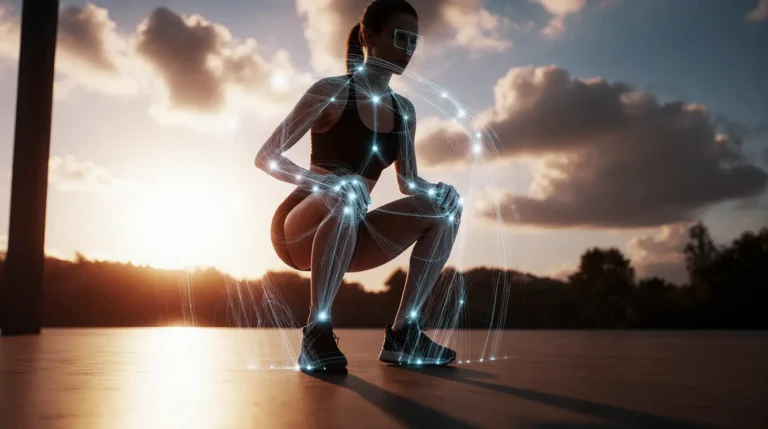
Use tools to record a plan or observations, not to diagnose pain or clear an injury. Camera tracking cannot establish that an exercise is safe for you. See workout-plan prompts and the limits of form feedback.

Reflection and everyday stress
A chatbot may help sort non-identifying notes or prepare a conversation. Do not assume confidentiality or that a general service provides therapy. Everyday stress prompts are reflection aids, not a clinically validated intervention.

Sleep and wearable records
Keep your own observations separate from app estimates. Sleep stages, recovery, and HRV scores do not independently establish health or a diagnosis. The sleep guide and HRV introduction explain these distinctions.

Choose tools by task
Compare intended use, actual evidence, access, cost, data handling, and whether you can understand and correct the output. Not every meditation or tracking app is an AI product. The tool-category guide avoids a universal clinical ranking.

Keep the boundary clear
Do not substitute generated advice for assessment when symptoms or medical decisions are involved. A reviewed log can support a professional discussion. The health-AI risk guide explains accuracy, bias, and privacy questions.

Sources and editorial approach
WHO health-AI guidance. This is a technology overview, not medical advice. Reviewed November 4, 2026. Examples and prompts are proposed editorial templates, not first-hand tests or measured performance results.





12 Comments
Comments are closed.