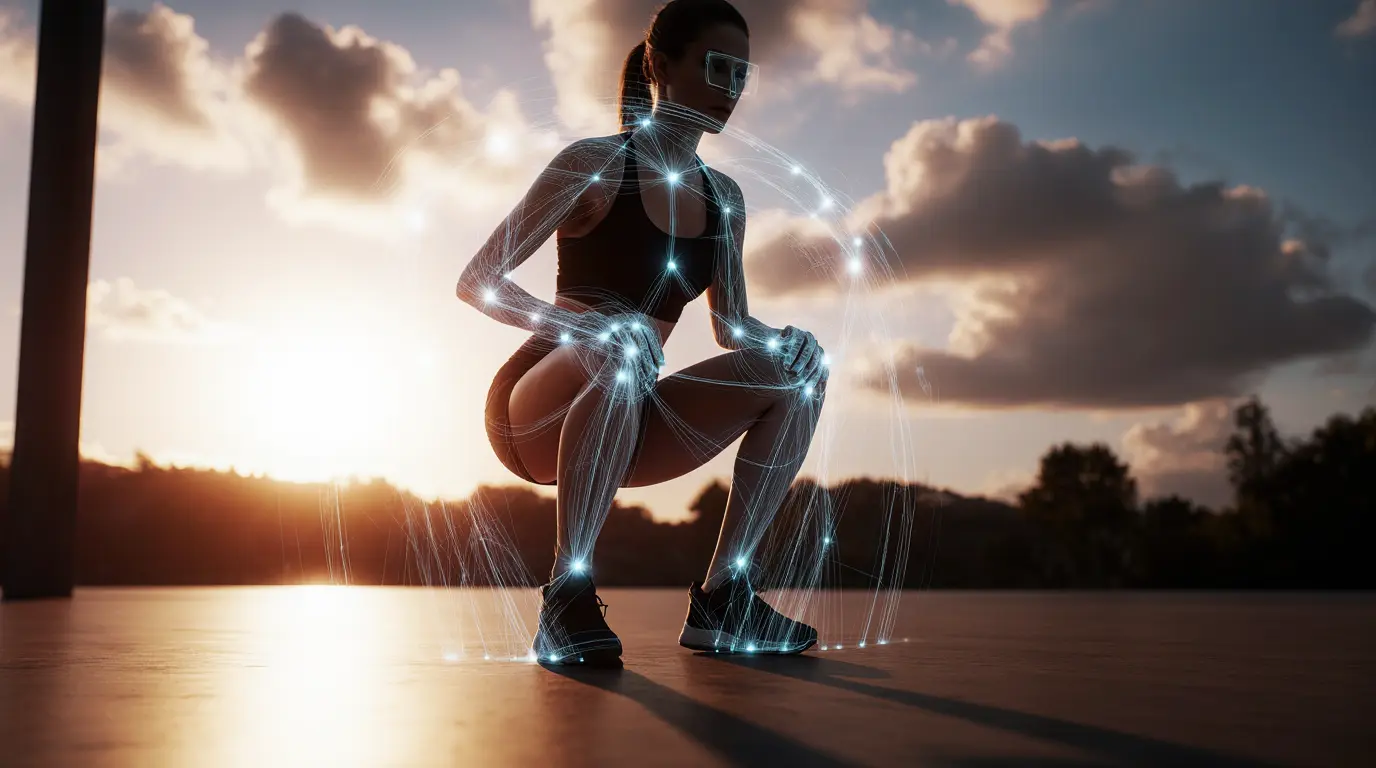
AI exercise feedback may help you review recorded movement, but detecting a pose or flagging a movement pattern does not prove that an app prevents injuries. Use the tool within its stated purpose and do not let an app score override pain or professional advice.
Understand the claim being made
Injury risk has several contributors, including training load, technique, equipment, and previous injuries. NIAMS describes these factors. A camera app sees only part of the situation; it does not establish tissue health, load tolerance, or a diagnosis.
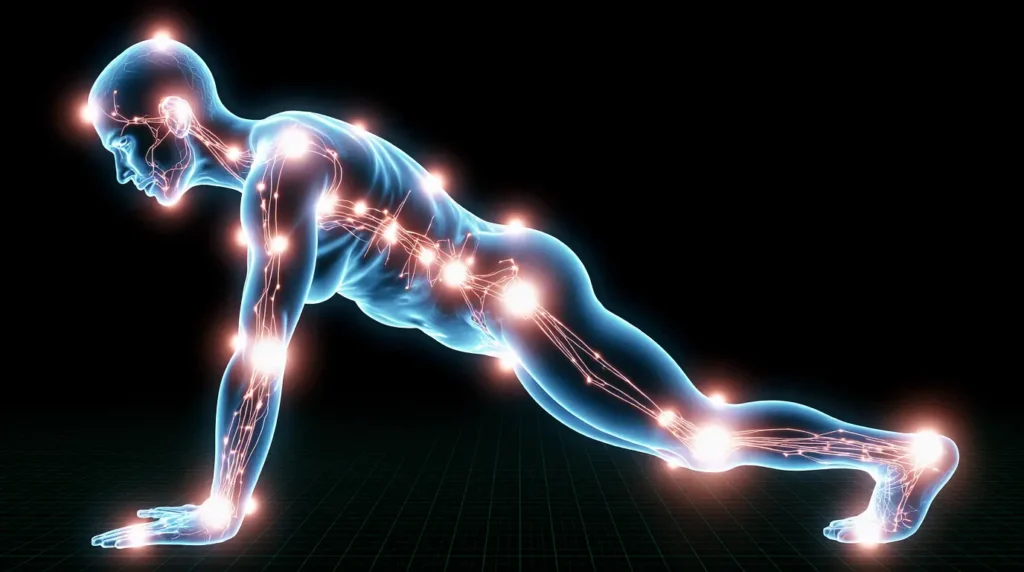
Check the app’s actual evidence
Identify the supported exercise, camera setup, intended user, and validation method. A study measuring joint tracking or exercise classification is not necessarily an injury-prevention trial. Separate provider claims from independent evidence and avoid generalizing across apps.
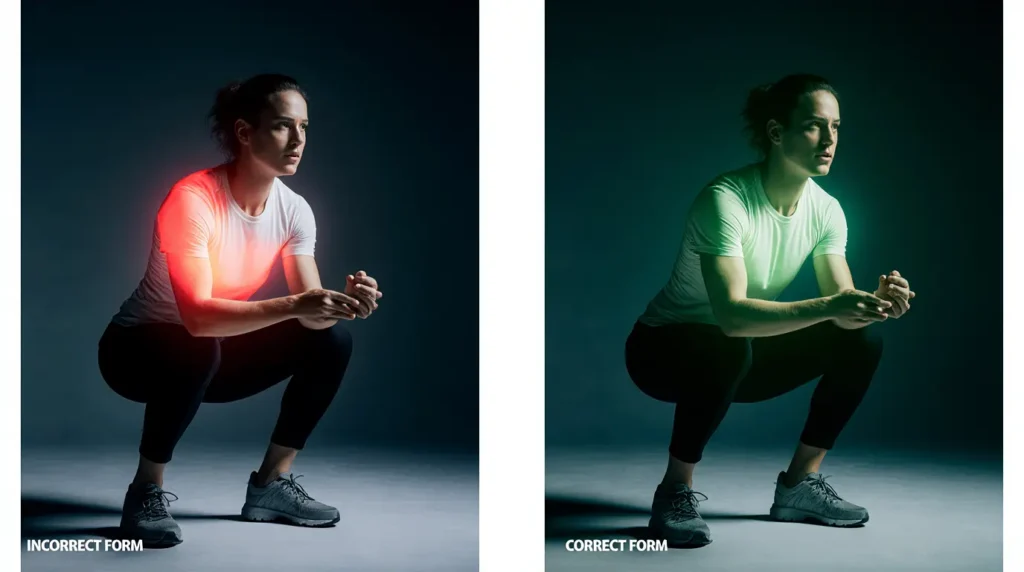
Set up within documented instructions
Use the provider’s supported camera angle and visibility guidance. Lighting, clothing, occlusion, and camera position can affect what is captured. Do not assume a single angle works for all exercises. Check that the app is tracking the intended movement before relying on its feedback.
Review a cue cautiously
Treat a cue as feedback to consider, not a mandatory correction or clearance to add weight. If a movement causes pain, stop the painful activity and seek appropriate advice rather than repeatedly changing technique to satisfy the score. Persistent or worsening symptoms need a healthcare professional.
Keep observations for a qualified review
Organize my exercise notes for a trainer or clinician.
Notes: [observations].
Separate what I observed from app feedback and questions.
Do not diagnose an injury, prescribe rehabilitation, or clear me to train.
Identify missing context for a professional discussion.
Choose an appropriate next step
The exercise-form app guide discusses product distinctions. Workout planning templates organize a draft plan, not injury treatment. This page does not report a personal squat test or a clinical comparison.
Sources and editorial approach
NIAMS sports injury guidance. This is general technology information, not individualized medical advice. Reviewed November 4, 2026. Examples and prompts are proposed editorial templates, not first-hand tests or measured performance results.